Podcasting by 2026 has grown up. As of now, it’s more than hitting a record button and then uploading the audio to Spotify. Today, podcasts are full-fledged content operations that plug in all sorts of components: long-form video, searchable web content, a thriving community, and ways to monetize across multiple platforms.
For creators, business owners, educators, and brands, podcasts have turned into one of the most powerful tools for building trust and reputation. But the opposite side of that is that competition has gone through the roof. The people seeing the most growth right now are the ones treating their own show like a serious business. So what to do? Give it a try or give up?
In this article, we’ll dissect a podcast, see which forms of it are relevant now, why so many people fancy it, and if there’s any sense in starting it today.
The Definition of Podcasting: Has It Changed?
A few years back, the whole podcasting scene was represented by audio-only shows being distributed through RSS feeds, and listened to on the likes of Apple Podcasts or Spotify. But by the time we hit 2026, the whole definition of what a podcast is has changed.
Now, when we talk about podcasting as seriously as when one is going to start a channel in general, we’re looking at a whole new generation of media products that bring together different formats: long forms, live streams, interaction with the community, and much more. People’s viewing/listening habits have changed, and they’re increasingly looking for content that they can not only watch but also listen to — and vice versa. Platforms like YouTube have helped drive this change in behaviour.
One thing that’s clear is that a lot of podcast creators are now experimenting with combining a load of different formats at once. According to what the YouTube Official Blog and Spotify for Creators tell us, podcast listening is still at the top globally, and video podcast formats are one of the fastest-growing content categories.
Nearly half of listeners trust podcast hosts as much as their own friends, and 81% of listeners took action after hearing a host-read ad.
| Podcast Type | Description | Best For |
| Interview | One general niche + guest is interviewed by a host | (Expert) content building, networking |
| Solo | A creator shares opinions, knowledge, insights, or discoveries | Recognition/personal brand, education |
| Co-hosted | Conversation between two hosts | Educational content, entertainment, gaming |
| Narrative/storytelling | Edited, structured stories | True crime or journalism, history, entertainment |
| Educational | Deep dive and explanation of topics deeper than regular level in specific fields or topics | Educators, coaches, teachers, SaaS founders, experts |
| Livestream | Recorded live with interaction with the audience | Gaming, media brands, communities (e.g. fandoms) |
| Video | The key thing is to be visually present, to show faces of hosts and guests | Focusing on enhancing discoverability and recognition |
| Branded | Produced by a brand or a company | Marketing and business teams |
Unlike short-form content, podcasts allow creators to develop much deeper connections with their subscribers. Someone who gives you 40 minutes of their time is more invested in what you have to say than some random person who catches a 15-second clip and then forgets about it forever.
We’ve noticed several key factors that are behind the growth of podcasts in 2026:
- Long-form content is seeing a real revival after a few years where ultra-short-form dominated the floor. Now, people are coming back to longer formats for everything from education to entertainment to real in-depth discussions. You can especially see this in areas like business content, podcasts about the creator economy, and AI/tech discussions, etc.
- YouTube basically inverted podcast discovery by introducing search functionality and algorithm-driven recommendations. All of a sudden, the traditional podcast apps that relied on you either having to subscribe or get promoted through other channels aren’t as relevant.
How to Start a Podcast and Make Money: Step-by-Step

Launching a podcast in 2026 is a whole lot easier these days, and, of course, it still takes some serious strategy to start growing. That means thinking beyond just recording ad-free episodes and more about where you want the final thing to end up, how people are going to find it, how you can reuse bits of the content for other purposes, and how you can make money from it.
Step 1 — Pick a Niche and Area You’re a Total Expert in
What matters for every successful podcast is a niche that’s a balance between what your listeners are after, what you are interested in, and what will still be around in a year’s time. One of the biggest newbie mistakes is picking too broad or too niche topics that you can’t keep coming back to.
Compare these examples:
- “A business YouTube podcast” is just way too general;
- “AI tools for content creators” is a bit more specific and easier to find;
- “YouTube podcast monetization tricks and tips” gives you an instant audience to target;
- “Gaming industry news and updates” has an audience coming back every week.
Creators pick the best podcast niches when their expertise, passion, and curiosity all come together. When picking a niche, ask yourself:
- Can you genuinely see yourself creating 50+ episodes on this topic?
- Is there an audience who are searching for this stuff?
- Can this niche support some decent revenue streams later down the line?
- Is this a topic that plays nicely in both long and short form formats?
If we look at the top-performing podcast categories today, we’ll see: the creator economy, AI and tech, entrepreneurship, gaming and streaming, finance and investing, pop culture commentary, and health and wellness. What’s interesting is that niche podcasts tend to outperform the broad entertainment shows when it comes to advertising revenue because advertisers love targeting specific audiences.
Step 2 — Pick a Format to Fit In
Once the niche is defined, you’ll want to start thinking about a format for your content. Different formats have different uses. Some are great for beginners, while others are better suited for the pros of YouTube.
For example, a solo podcast is suitable for those who are confident in front of the camera, while interviews or co-hosted podcasts require structure and dialogue coordination. Or when you do a narrative format, you should know that it’s time-consuming in terms of editing.
For YouTube growth specifically, we tend to see conversational and educational formats doing the best job as they tend to generate search-friendly topics, keep people hooked to the end, and the content is good for repurposing.
How to Find Guests for Your Podcast
Getting guests who are going to help your podcast grow is one of the fastest ways to get started. Good guests bring value in the form of expertise, audience and engagement with it, ideas and themes, and credibility to your show.
Some of the best ways to find a guest that’ll make sense for your podcast are:
- Try reaching out to people you’ve connected with on LinkedIn or X;
- Asking the people creating stuff outside your niche;
- Using online communities of creators;
- Inviting the people you’ve worked with in the past;
- Teaming up with smaller creators before going for the big names.
A pretty common mistake is trying to get big celebrities right away. Smaller niche creators are often more accessible and can still bring in an engaged audience.
Step 3 — Getting Your Podcast Equipment Right
A lot of potential creators hold off on starting a podcast because they think they must have a professional studio right from the get-go. But listeners are more concerned with being able to hear what you’re saying than about whether you’re recording in a fancy studio or not.
Basic lists of equipment for both beginners and professionals look like this:
Beginner Podcast Setup
- A USB microphone
- Headphones
- Basic lighting
- A quiet recording space
- Editing software
- A webcam or smartphone camera
Professional Podcast Setup
- XLR microphones
- Audio interfaces
- Studio lighting
- Acoustic treatment
- Multi-camera production
- DSLR or mirrorless cameras
If you’re just starting out and you’re doing an educational or conversational style show, you can get away with investing very little and upgrading as you go. Expensive gear doesn’t automatically mean success.
Step 4 — Bringing It All Together: Recording, Editing, and SEO Optimization
Recording a podcast feels like a job done. But there’s so much more to getting your content seen and heard than just pressing record. So in this step, we’ll be covering recording, editing, optimizing, and getting your podcast out into the world.
Among the most popular editing tools are:
- Adobe Premiere Pro;
- DaVinci Resolve;
- Descript;
- Riverside;
- OBS Studio;
- Audacity.
All of them are common due to their user-friendly editing features, you just have to find the most suitable tool for yourself. Some modern, less common tools are implementing AI assistants as they help with things like auto-generating captions, cutting into bits, dubbing, and localization.
If you want to grow your podcast audience, then podcast SEO is a big deal. Especially when you’re doing it on YouTube. Getting it right includes:
- having titles that people would search for the most;
- making catchy thumbnails;
- writing meaningful descriptions, which also include keywords;
- adding timestamps to make it easy to jump to the good bits;
- captions and transcripts so that GEO is covered as well.
Why is it important? A well-optimized episode can keep on generating traffic for months after its first run.
Speaking of content repurposing. One recording session could give you: 1) YouTube Shorts; 2) TikTok clips; 3) Instagram Reels; 4) LinkedIn posts; 5) Blog articles; 6) Newsletters. Repurposing your content like this can increase your reach without breaking the bank on new production costs.
At Mediacube, our goal is to help you grow your podcast and your channel and ultimately make money from every project you have. We offer tools and services that increase your chances of growing. This includes helping you get the most from YouTube monetization, sorting out rights management so you can focus on what you do best, and offering multi-platform support for all your content.
Best Podcast Platforms Compared
Based on what you are looking for in a platform to unleash your podcasting potential and ideas, you can take a look at the six most popular options we collected in this table.
| Platform | Advantages | Limitations | Monetization Potential | Average Creator Earnings |
| Spotify | Strong desktop and mobile listeners base | Limited discoverability | Sponsorships, subscriptions, Spotify Partner Program | Small creators: $0–$500/month; Mid-tier shows: $1,000–$10,000/month mostly through sponsors |
| Apple Podcasts | High listeners retention + many premium users | Slow organic growth | Sponsorships, subscriptions | Small creators: $0–$300/month; Mid-tier shows: $1,000–$8,000/month from ads and subscriptions |
| YouTube | Recommendation system + search + Shorts influence strong discoverability | SEO + overall video packaging are required | AdSense, memberships, sponsorships, affiliate program | Small creators: $100–$2,000/month; Mid-tier creators: $5,000–$50,000+/month depending on views and RPMs |
| Spreaker | Easiest RSS distribution | Smaller listener audience | Ads + sponsorships | Typically $50–$2,000/month |
| SoundCloud | Easiest publishing, sharing, and access | Weak discovery + monetization | Mostly fan support | Usually under $500/month |
Why YouTube is the Absolute Top Choice for Podcasters
Unlike those other podcast platforms like Spotify, YouTube gives creators access to search traffic, smart algorithms, a way to get your Shorts discovered by more viewers, and multiple ways to start monetizing from your podcast. These ways include AdSense, Shorts, channel memberships, Super Thanks, sponsorships, affiliate marketing, and selling different digital products.
This creates loads of new opportunities for smaller creators to get started. A podcast you upload to Spotify pretty much relies on you getting out there and promoting it yourself.
Want to Grow Faster on YouTube?
Get a free channel audit from Mediacube experts. Identify what’s holding you back and receive a clear action plan to boost your growth.
Get a Free AuditHow Podcasts Make Money
Traditional sponsorships are a huge part of the game and for good reason because brands love the idea that listeners trust their podcast hosts. Podcast sponsorship models come in all sorts of shapes and sizes. For example, it can be:
- Host-read, dynamic ads;
- Integrated product mentions;
- Mid-roll, automated ads;
- Even full-fledged branded episodes.
If you’re looking for an even more scalable way to monetize your podcast, YouTube has a whole set of monetization tools. You can earn money through things like long-form video ads, live events, Shorts monetization, memberships, affiliate links, and so on. Subscriptions and premium content are reliable ways for podcasters to generate recurring revenue by offering exclusive content to dedicated listeners.
And one thing is for sure: if you’re peddling some kind of advice or review on your podcast, affiliate marketing is a great way to go. Affiliate marketing allows podcasters to earn commissions on any sales made when they promote products and services available through unique referral links. Software tools, products, merch (like t-shirts, phone cases, etc.) from other creators, all sorts of things do really well with this model.
For entrepreneurs and educators, podcasts can be a real lead-generation machine. You’ve got all sorts of monetization options to choose from, like coaching, consulting, SaaS products, and premium communities. Podcasters can create their own products or services based on their expertise, leveraging their audience’s trust to generate valuable offerings beyond the podcast itself. In a lot of cases, the podcast itself becomes secondary to the business ecosystem that grows around it.
Of course, if you want to get your podcast discovered faster and make the most of your YouTube presence, then here are a few tips that might be worth trying:
- Try creating some patron-only, early access episodes as a little bonus content for loyal listeners;
- Map your episode formats to YouTube-friendly video types;
- Break up your episodes into chapters for easier discovery;
- Add some timestamps and CTAs so listeners know what they’re getting;
- And don’t forget to put corresponding thumbnails and titles on those videos so people want to click on them.
Using membership platforms and websites like Patreon or Substack enables podcasters to offer exclusive content (bonus episodes, etc.) while managing transactions and audience engagement in one place, often leading to a more sustainable income stream. And in this regard, to make it easier to perform withdrawals, Mediacube offers transfers in different ways via our app. Experience shows that taking care of not only money making, but also money withdrawing and transferring is a good way to build stable, long-term relationships with creators.
How to Grow a Podcast Audience Faster

Modern podcast growth is largely driven by being creative with repurposing content, not only producing it. You have to learn to treat your materials with respect and give them a life that lasts longer than a week. One episode can power many different pieces of content across YouTube Shorts, TikTok, Instagram Reels, LinkedIn, X, newsletters, and blogs. This makes your show more discoverable without having to make a new episode every day and expand further.
Working on SEO in such matters is almost the same as for any other video (if you choose to make video podcasts). Among podcast monetization strategies, there are several common steps to take:
- Making sure your episode titles are good for searching and fast discovery;
- Writing descriptions that mention the necessary keywords and include corresponding tags;
- Breaking your episodes up into video chapters;
- Making sure your metadata (like the title and description) is optimized;
- Localizing your videos to expose your content to other regions;
- Transcribing your video so people can get easy access to information.
Search traffic can be a huge long-term audience source for educational podcasts – if you get it right!
Guest collaborations remain one of the fastest ways to grow a podcast. You have several approaches to try: guest swaps where you swap hosts with another podcaster or a celebrity guest, cross-platform collaborations where you team up with someone from a different platform (as in — in addition to cross-promotion of your content!), partnerships with other podcasters who can help you tap into their audience. When you team up with someone else, you get the chance to expose your podcast to people who are already engaged with that other person.
In addition to all that, remember the most important metrics that require your close attention in order to adjust your content, with no specificity in what exactly you produce. The metrics mentioned below are important points in not only your own, but in your competitor analysis:
- Audience retention;
- Watch time;
- Click-through rate;
- Listener drop-off points;
- Revenue per viewer;
- Conversion performance.
Podcasting Trends in 2026

If we take a quick look at what trends are slowly filling the podcast medium, we may find several interesting things.
1) AI fits in with podcast production
AI tools are now tightly woven into the fabric of podcast production. You’re starting to see creators use AI for editing, transcription, translation, dubbing, and coming up with content ideas. Of course, besides all those perks of using it, authenticity is still way more important than just relying on the automation of the process.
2) Video podcasts are taking over
Video podcasts have been slightly superior to audio-only podcasts or faceless YouTube channels in a lot of categories, and it’s mainly because video creates opportunities for:
- better discoverability;
- more engagement with your audience;
- stronger branding options.
3) Short clips are the way new people find your podcast
Short-form content is the entrance and promotion for long-form podcasts. One single clip can introduce people to a whole podcast ecosystem. If you want your show to take off, you need to start thinking about your content in terms of what clips will work and get picked up.
Frequently Asked Questions on Podcasting
There are always many questions in relation to how to make a podcast on Spotify or YouTube, or how much money do podcasts make on Spotify, and so on, because honestly, no one talks about it without overwhelming the explanation with advertising their own platforms and services. But here, we’ve collected the most popular questions so that you can understand the mechanics of it and start it yourself.
Let’s begin with establishing that it is possible! Almost every successful podcast started out with zero listeners and managed to grow through a combination of their shorts on YouTube, getting found through YouTube search results, and collaborating with other creators.
When it comes to getting people to find and listen to your podcast, YouTube is, at the moment, a clear winner. They’ve got a lot of tools built in to help your podcast get discovered and generate income. On the other hand, if people are only interested in listening to audio, then Spotify is still a great option too.
Let’s be honest, podcast income varies wildly. Small creators may earn a few hundred dollars monthly, while larger shows generate six or seven figures annually.
Not necessarily, but doing a video version of your podcast can make a big difference. It’s going to help you get more eyes on your content, get more recognition, and also make more money.
The key to success is being consistent rather than trying to come up with some super-frequent schedule. The most common strategy that seems to work is to put out new episodes on a weekly basis.
Commonly, a solo podcast is what beginners start with. It’s easier to get functioning simply because you control everything, and you don’t need to write scripts for anyone but you.
Yes, they can. There are plenty of potential sponsors who don’t really specify the audience size. If you have a dedicated group of listeners who are deeply engaged with your content, they’ll be interested in paying your podcast advertising cost.
Be Brave About Making Podcasts
In 2026, podcasting is no longer an hour-long audio on a niche topic for two and a half listeners. Today, we can imagine it as a proper content playground that lets listeners find you, trust you, and engage with you on a specific theme. Of course, to make it properly, you need to get your head around the platform of your choice — for example, YouTube, and then Shorts, SEO, and thinking about how to spin the same content in loads of different ways.
If you want to see some serious growth in your podcast listeners and your earning potential, too, think about joining Mediacube and see how our creator-focused growth system can help take your results up a notch.
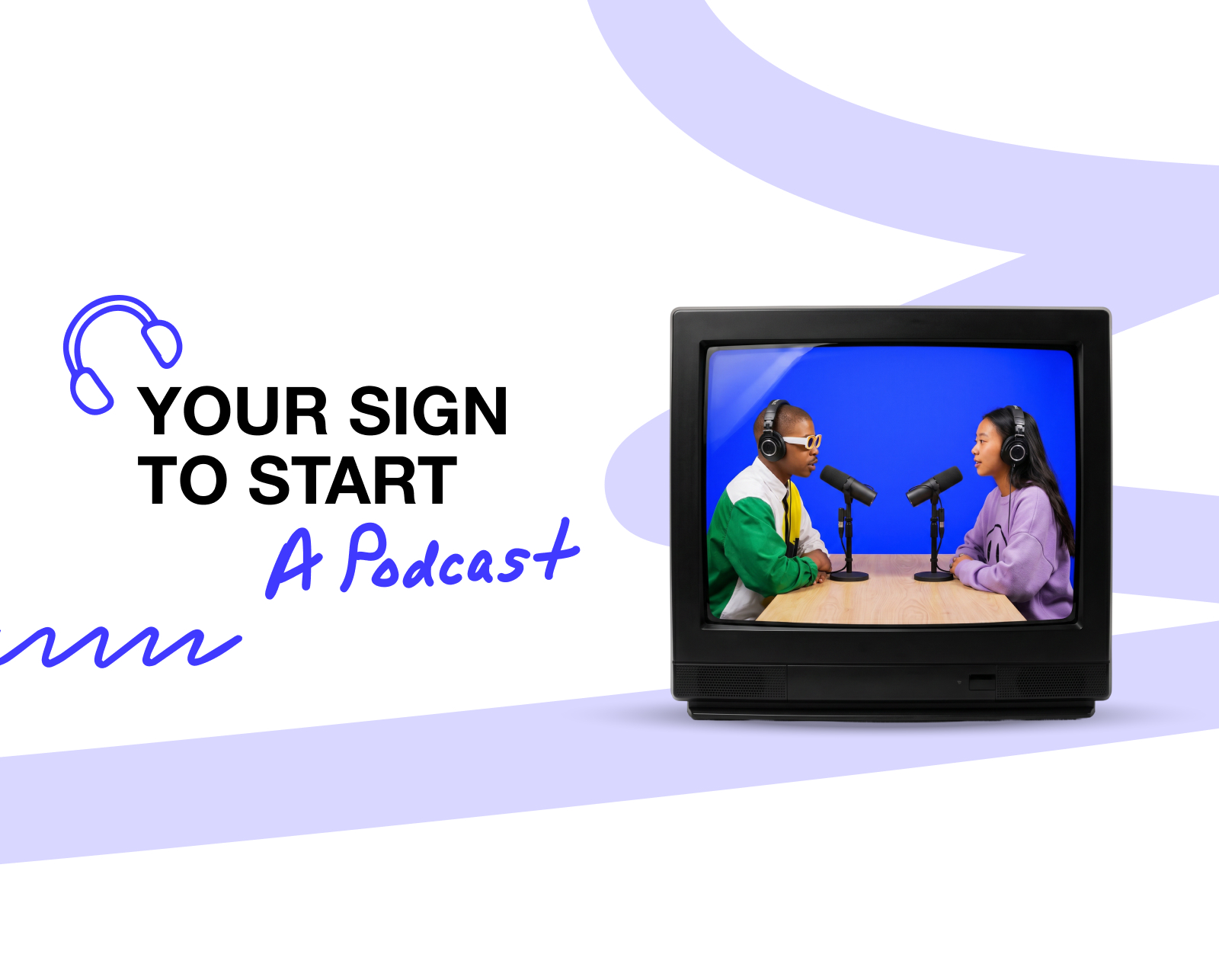
So, do you still think of starting a podcast? Maybe it’s your sign to give it a try.