This past month, significant changes touched YouTube and its surroundings mostly. Creators must pay attention to the updated threshold to YPP and Google Search Profiles, but let’s not spoil it beforehand. Read it all below!
Prepare for Major Changes in YPP, Starting 2027
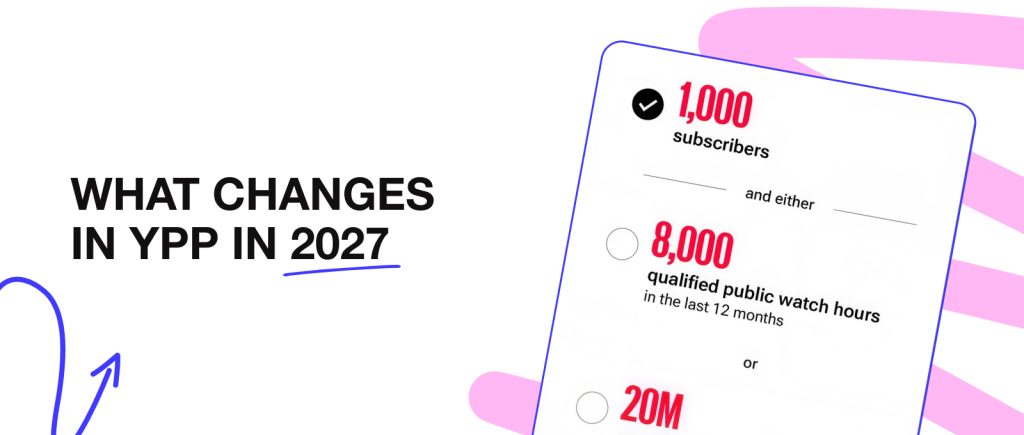
YouTube has just announced big changes in the YouTube Partner Program that become effective in February, 2027. What do creators need to know? Premium Lite expands globally, meaning a wider revenue pool for creators. Threshold for being eligible for the Program will require either 8,000 qualified watch hours or 20M qualified Shorts views. That one doesn’t affect members who are already in the Program. And Shorts revenue sharing is affected too. You’ll need 10M qualified views in 90 days.For those, who’s below the threshold, there are incentives like Shopping, brand-deal, and trend ones.
More on this in our blog.
Changes in How Views are Counted on YouTube
How views are counted now changes, too. Starting August 24, 2026, it takes a more standardized form. A view in Shorts, long formats, live streams, and podcasts counts from the first frame, and when a viewer watches further, far beyond the initial frame, now it’s called an “engaged” view.
Fundamentally, it doesn’t change how analytics work, because all our important metrics are still based on engaged views, but this one might increase reported view counts.
Google Simplifies the Entrance for Search Profiles and Adds Ad Testing
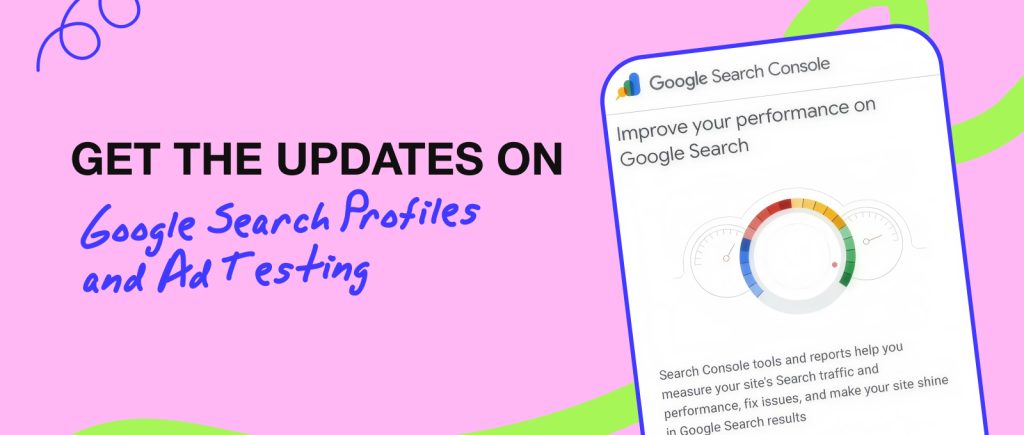
Good news for creators with smaller audiences. Google lowered the eligibility threshold for Search Profiles from 100,000 followers on YouTube, Instagram or X to 35,000! For TikTokcreators, it decreased from 300,000 to 100,000 followers. So now building a centralized and effective presence in Google Search is available to more creators.
Changes affected Search Ads too. Now, forget about complex setup. A system touse A/B testing flow got much, much simpler, so now brands can compare changes in campaigns with less struggle.
Making AI Likeness Claims Becomes Simpler Too!
Now, the Copyright section in YouTube Studio is called Claims, and there, Content ID and AI likeness claims are gathered together. Creators can choose to put a claim depending on four specific categories: explicit consent, parody or public interest, unaltered content, and claims where the person’s likeness doesn’t appear.
But pay attention: AI likeness claims do not result in copyright or Community Guidelines strikes, just like they won’t affect a channel in general, even though a video might be blocked or restricted. Transparency is the key here, as it will be shown to all participants who filed the claim and for what reason.
We’re Closer to Fully-Functioning, Preferences-adjusted Custom YouTube Feed
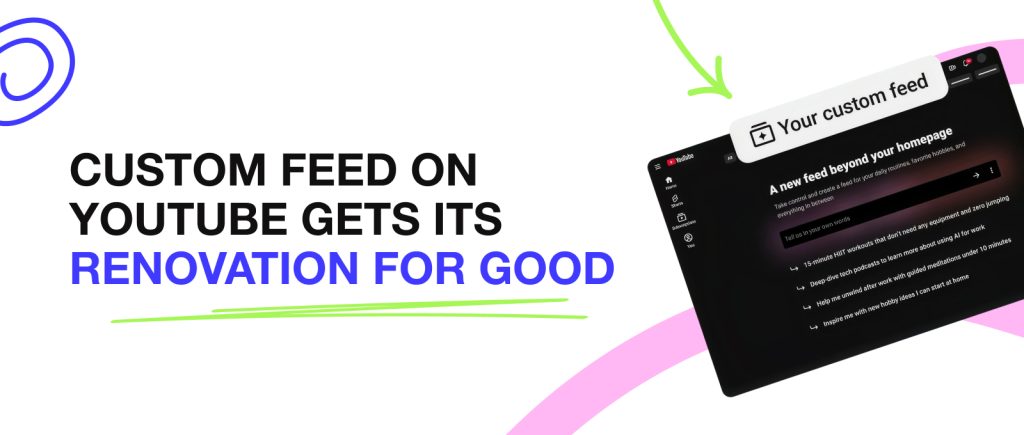
Many creators and users in general complained about inconsistency and not quite comfortable use of Feed, too inflexible for desired adjustments. And now, we have this experiment in our hands: viewers can create and save up to eight personalized flexible feeds based on specific topics, their mood, or endgame goals. It definitely influences how users treat content-discovery options, so creators have to work even more harder to achieve clear topics and strong content relevance.
The feature is currently available to selected users in the US, but we expect it to be spread internationally with time.
**AmazingNews On AmazonAffiliate Links on YouTube**
Once again, starting in the US, YouTube adds Amazon to its Shopping Affiliate Program, so now, creators can tag Amazon products directly in their videos of common formats. YouTube shares that in a test done in July 2026, product tags got 110%+ clicks than description links alone.
Eligibility criteria is simple: to be in YPP and YouTube Shopping, with an active Amazon Influencer or Associates account linked to your channel.